How It's Made: From Raw Ingredients to Ultra Premium Quality Creatine
Creatine monohydrate isn't extracted from animals or plants, it's built in a controlled lab from two simple ingredients. Here's exactly how the molecule in our pouch goes from reactor to powder.
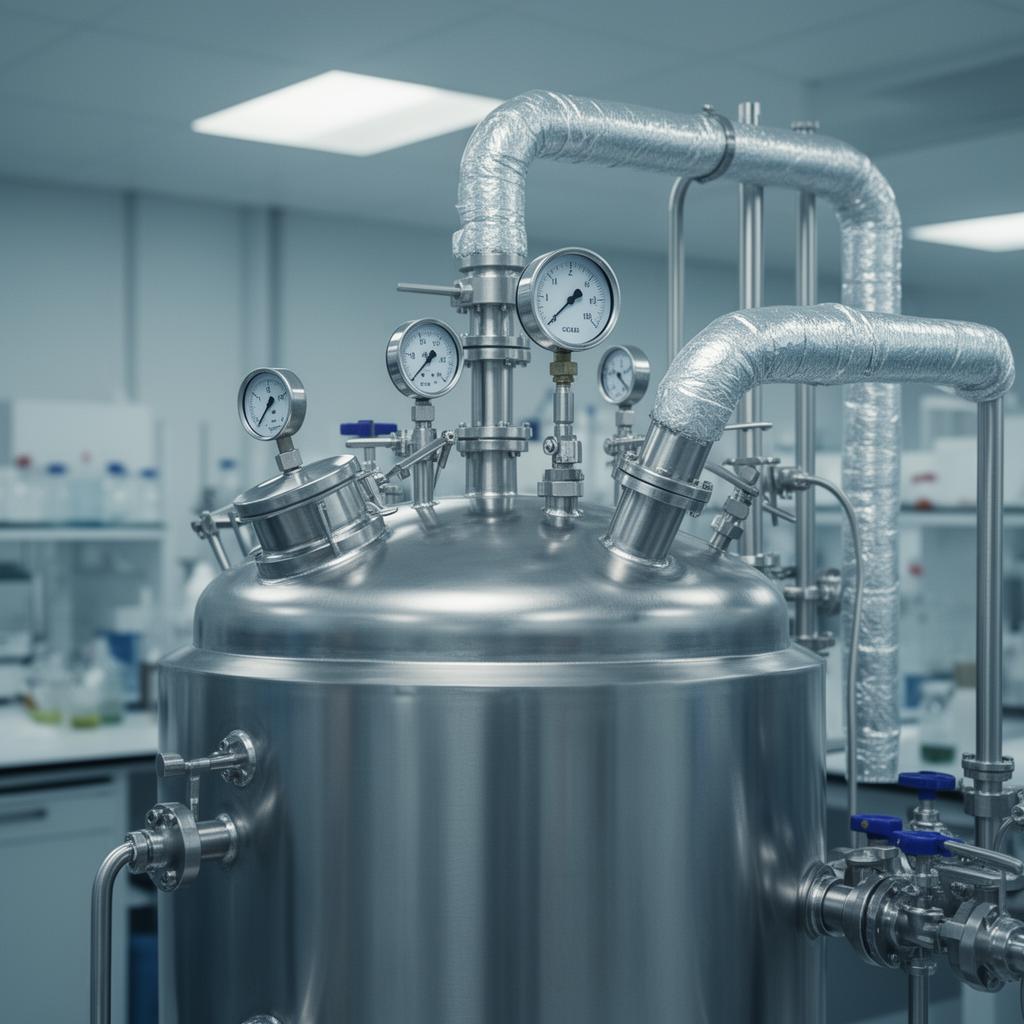
Creatine monohydrate isn't extracted from animals or plants. It's made in a controlled lab from two simple starting ingredients, then purified to Ultra Premium Quality. The result is a single, stable molecule identical to the creatine your body produces naturally.
That's worth pausing on. Most supplements on the shelf are extracted, concentrated, or blended, and quality varies wildly depending on the source. Creatine is the opposite. The molecule is small, well-defined, and synthesised to the same specification every time. What changes between brands is purity, the level of by-products, and how rigorously each batch is tested.
Here's what actually goes into the pouch, and how it gets there.
The Raw Ingredients
Two molecules and ultra-pure water
Sodium Sarcosinate
A salt of the amino-acid derivative sarcosine. Provides the carbon backbone of the creatine molecule and reacts cleanly with cyanamide in aqueous solution.
Cyanamide
A small nitrogen-rich compound (H₂N–C≡N) that donates the guanidine group of creatine when combined with sarcosinate under heat and controlled pH.
Purified Water
Ultra-pure, deionised water provides the reaction medium and the single water molecule bound to each creatine molecule in its final monohydrate form.
That's it for inputs. No animal tissue, no plant extract, no proprietary blend. Sodium sarcosinate carries the carbon backbone, cyanamide donates the nitrogen-rich guanidine group, and purified water both runs the reaction and ends up locked inside the final crystal as the "monohydrate" part of the name.
From here, the work is about control: temperature, pH, cooling rate, and how aggressively you separate the good crystals from everything else.
The Lab Process
Four controlled steps, no shortcuts
01The Chemical Reaction
Sodium sarcosinate and cyanamide are combined with purified water inside a sealed reactor. Heat and pressure are precisely controlled between 50–80°C to drive a condensation reaction that forms creatine free acid, while suppressing the formation of dicyandiamide (DCD) by-product.
 02
02Crystallisation & Cooling
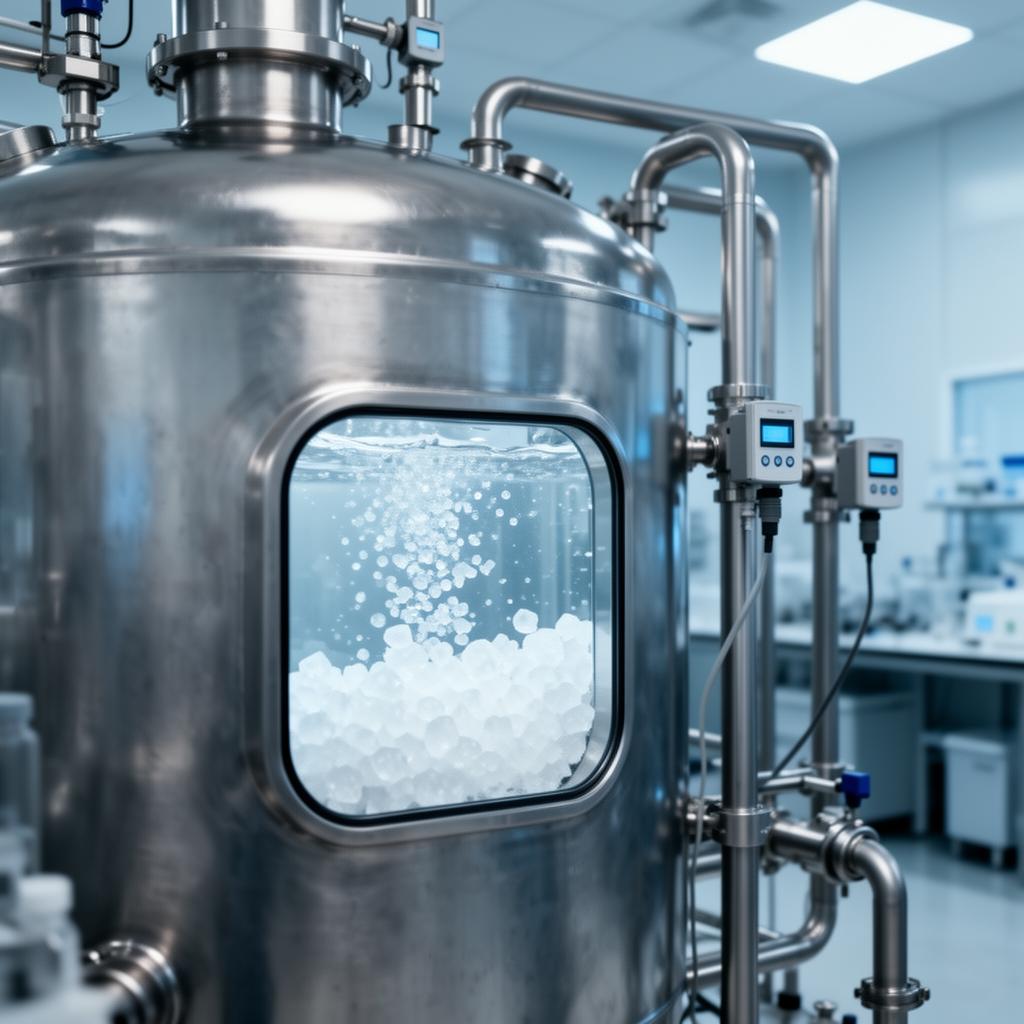
The reactor liquor is transferred to cooling tanks where the temperature is dropped in a controlled curve. As the solution saturates, creatine monohydrate becomes less soluble and precipitates into solid crystals, with the cooling rate dictating final crystal size and morphology.
 03
03Centrifuging & Purification
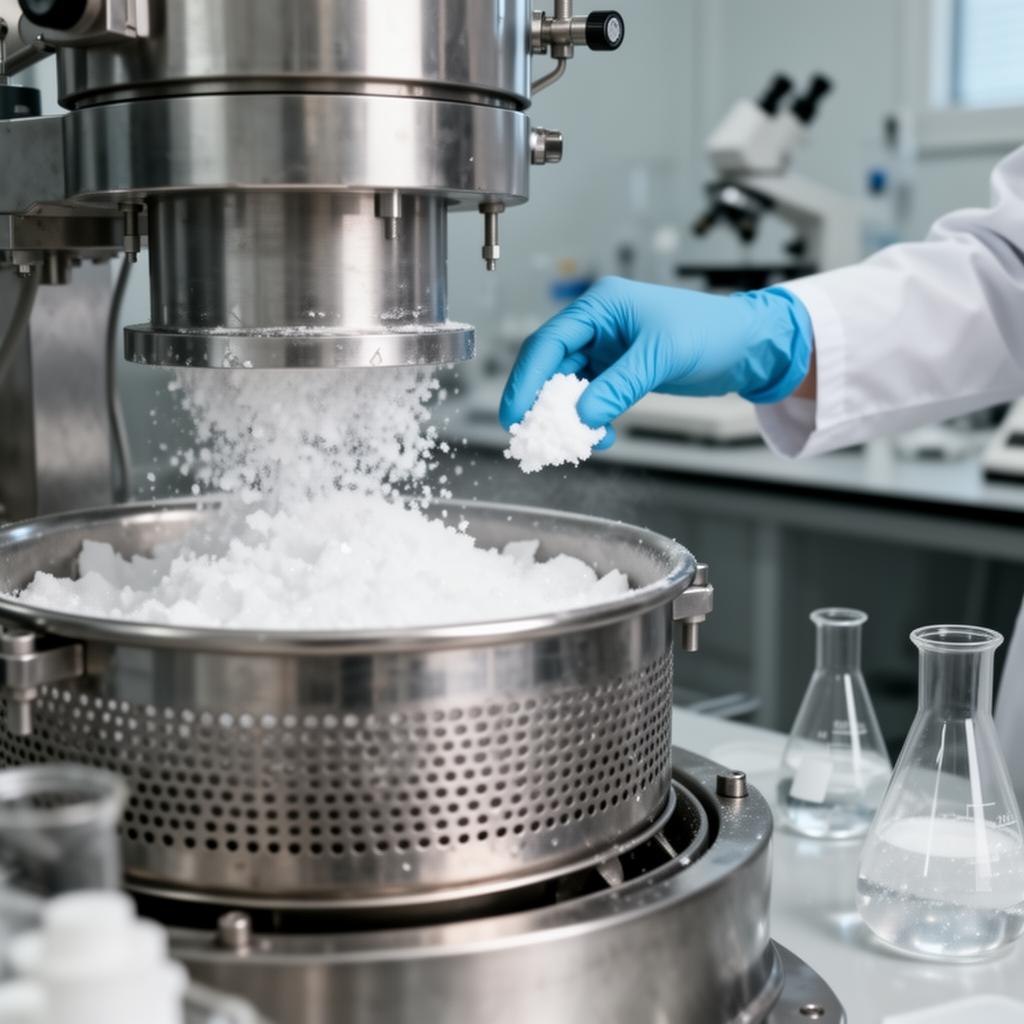
High-speed centrifuges spin the slurry, mechanically separating the solid crystals from residual liquid impurities and by-products. The isolated crystals are washed with purified water and screened for heavy metals, solvents, and DCD before moving forward.
 04
04Drying & Micronisation
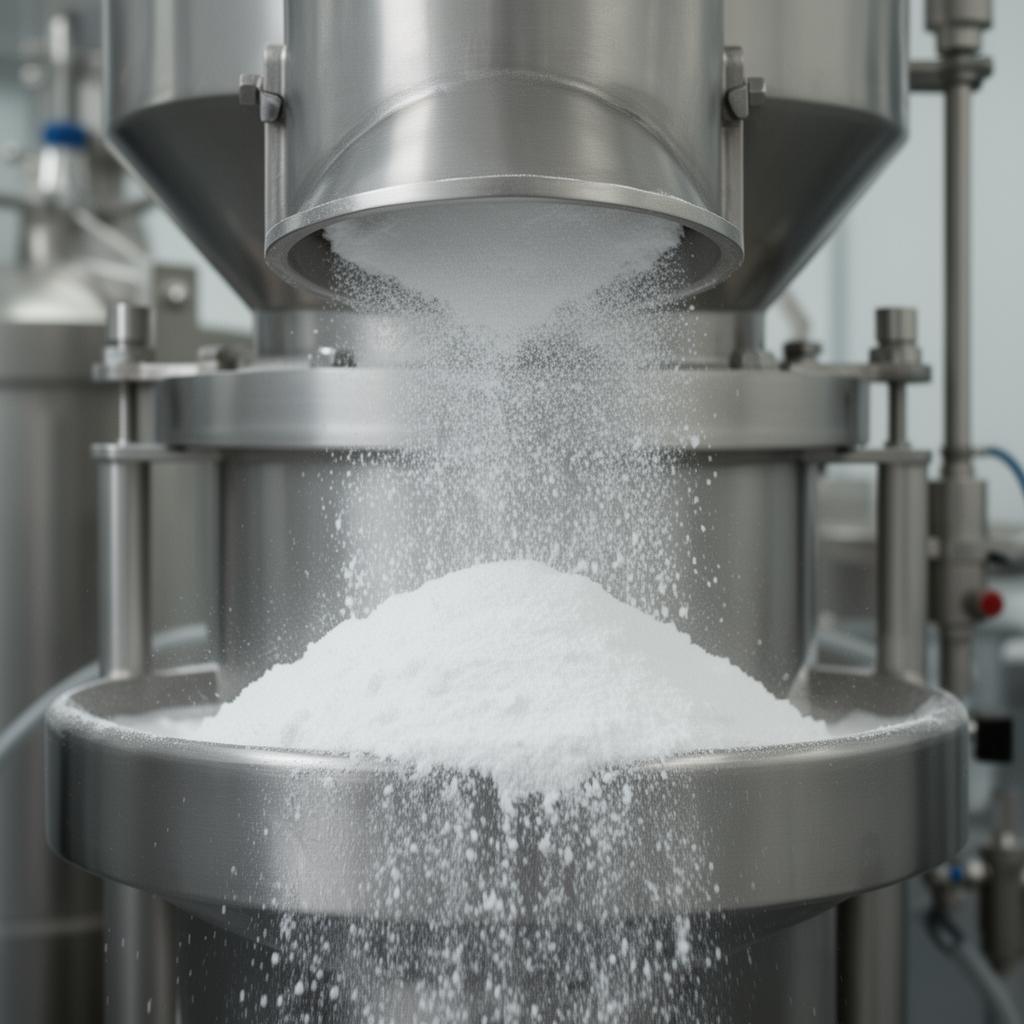
The wet crystals are gently dried to remove residual moisture while preserving the bound water that defines the monohydrate. The dried mass is then milled and micronised into a fine, free-flowing powder that mixes cleanly and absorbs faster.
The difference between a cheap creatine and an Ultra Premium Quality one isn't a different molecule, it's how clean it is by the time it reaches the pouch.
Why this matters for you
When you scoop creatine into water, the only thing you want hitting your muscles is creatine monohydrate. Not residual cyanamide. Not dicyandiamide. Not solvent traces or heavy metal contaminants. Every step above exists to remove something you shouldn't be eating.
That's why we batch test for purity, screen for the same by-products the manufacturer screens for, and only ever use pure monohydrate, the form with thirty years of research behind it and none of the marketing gloss of newer alternatives.
It's the boring answer. It also happens to be the right one.