Protein, Calories, and Body Recomposition After 35
Your nutrition needs change as you age. We explain the science of maintaining muscle, managing body composition, and fuelling your training without obsession.
Your metabolism doesn't 'tank' at 35. That's a myth. What does change is your activity level, your hormonal environment, and how efficiently your body builds and maintains muscle. Nutrition becomes less about tricks and more about hitting fundamentals consistently.
Protein first, always
If you do nothing else, prioritise protein. Aim for 1.6 to 2.2 grams per kilogram of bodyweight per day. Spread it across 3-4 meals. This single change preserves muscle, improves satiety, supports recovery, and makes everything else easier.
Calories matter, but you don't need to obsess
For most adults, learning to roughly estimate your intake for a few weeks is enough. You don't need to weigh broccoli for the rest of your life. Get a baseline understanding of how much you eat, then adjust based on results.
- Want to build muscle? Eat 200-300 calories above maintenance, train hard.
- Want to lose fat? Eat 300-500 calories below maintenance, keep training hard, keep protein high.
- Maintaining? Eat at maintenance and stop overthinking it.
You cannot out-train a bad diet, and you cannot out-diet bad training. They work together, or not at all.
What about supplements?
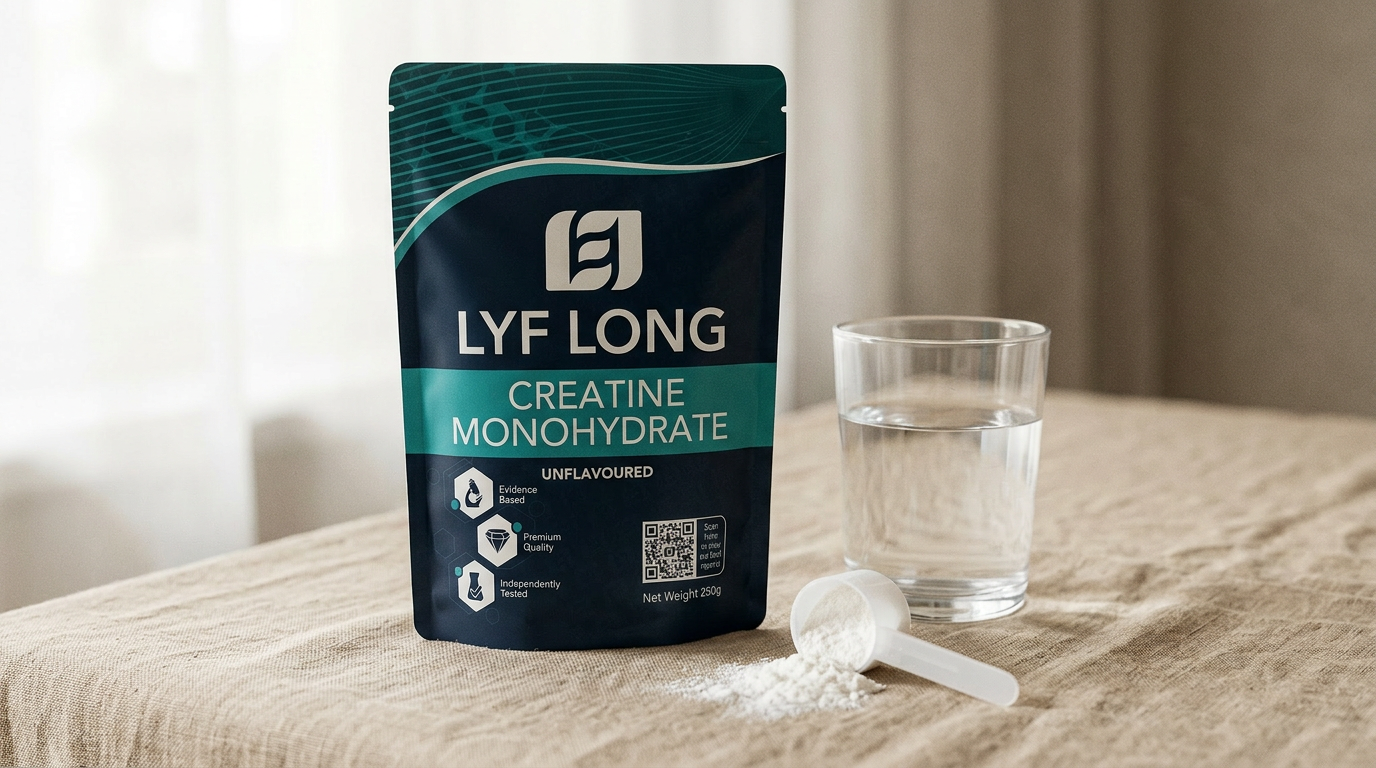
Creatine and protein powder are the two supplements with overwhelming evidence behind them. Vitamin D if you're indoors most of the year. Omega-3 if you don't eat fish. Magnesium can help with sleep. That's it. Everything else is marketing.
The boring truth
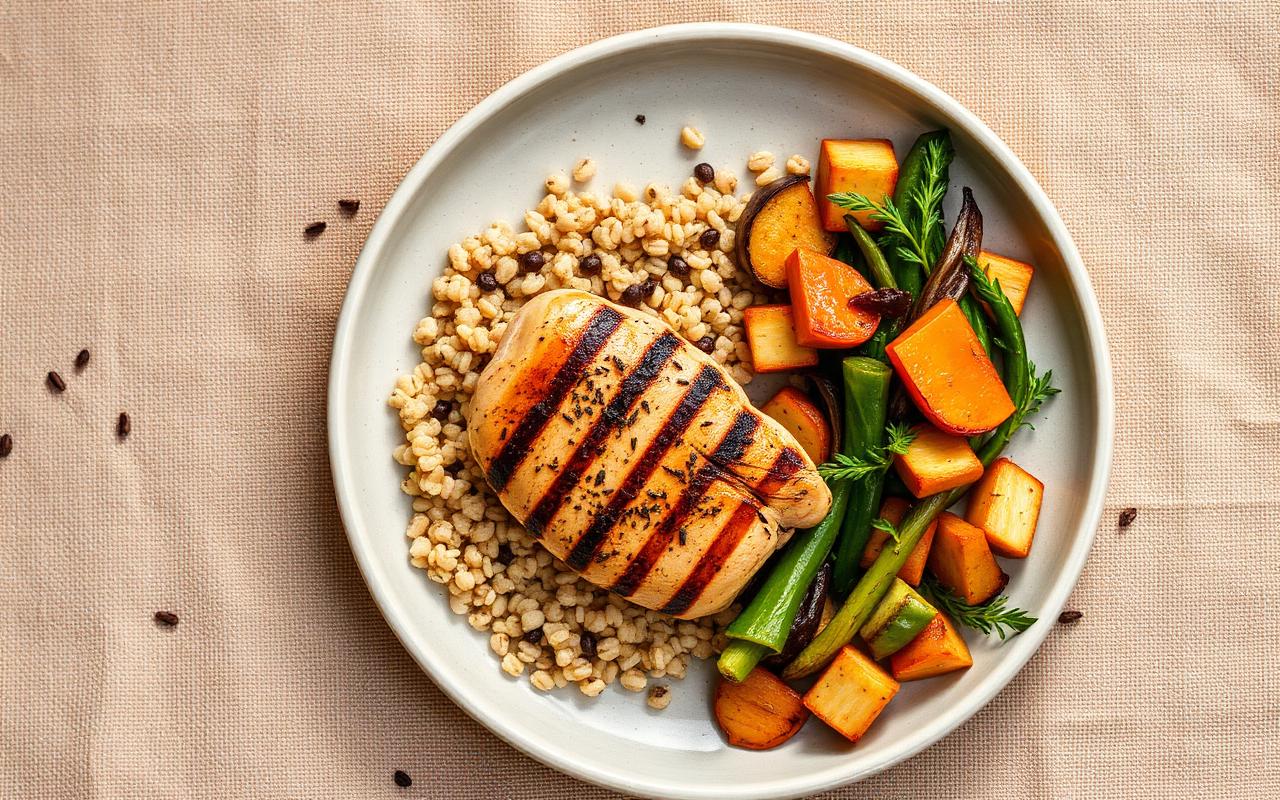
Whole foods, mostly plants, plenty of protein, enough calories to fuel your training, less ultra-processed junk. That's 95% of nutrition. The rest is fine-tuning.